
Travel Smarter: The ultimate, unfiltered guide to exploring the Seychelles on a budget—from hidden drone laws to 2026 logistics.
When most people hear “Seychelles,” they immediately picture luxury honeymoon resorts, private islands, and billionaire yachts. Because of this, finding reliable, practical information for independent travel in the Seychelles is surprisingly difficult.
We spent three weeks island-hopping across Mahé, Praslin, and La Digue with our own rental cars, sleeping in local guesthouses, and seeking out “blue health escapes” in hidden coves and deep jungles. We survived the notorious Indian Ocean ferry crossings, navigated the updated 2026 local taxes, and figured out how to travel this archipelago without emptying our bank accounts.
If you are a “Comfort Adventurer” who wants to skip the luxury traps and experience the real Seychelles on a budget, you are in the right place. Grab a coffee, because we are diving deep into the smart logistics of the islands. Here is our 15-point survival Seychelles Travel Guide 2026 to ensure your trip is flawless.
Seychelles Travel Guide 2026: 15 Crucial Survival Tips for Independent Travelers
Table of Content:
Section I: Pre-Flight Preparation (Before You Pack Your Bags)
1. Seychelles ETA Requirements & 2026 Fees
Before you can even board your flight, you need an approved Electronic Travel Authorization (ETA) via the official Seychelles Electronic Border System (SEBS). This is not an optional tourist form – it is a strict border control requirement.
The Real Cost (Why it’s not €10 anymore):
You might read on older blogs that the fee is €10. That is outdated. As of 2026, the total cost is exactly €12.06 per person.
Here is the breakdown so you aren’t surprised at checkout:
€10.00 – Base Travel Authorisation fee
€1.57 – Additional government charges
€0.49 – Bank processing fee
Timing Your Application:
You can apply between 30 days and 12 hours before your flight. However, waiting until the last minute is a massive gamble. We submitted our applications 3 weeks in advance to be safe. Our strict recommendation? Submit your application at least 7 days before you fly.
What You Need to Apply:
You cannot even start the application without having three critical things finalized:
Confirmed Return Flight Tickets: Proof of exit is mandatory.
Confirmed Accommodation for EVERY Night: You cannot just book the first two nights and “see where the wind takes you.” You must upload booking vouchers covering your entire stay.
A Selfie and Passport Scan: The system uses facial recognition to match your face to your passport.
If the system rejects your passport scan or a hotel voucher is unclear, you need time to fix it. Without an approved ETA, airlines like Qatar Airways will physically stop you at the boarding gate in Europe.
Our Tip: Always save a digital PDF of your approved ETA on your phone and print a paper copy. Do not rely on airport Wi-Fi to load your emails when you reach passport control in Mahé.
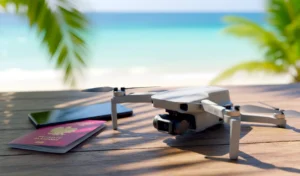
2. Seychelles Drone Laws & Free SCAA Registration
The Seychelles are a dream location for aerial photography, but the islands are not a “free for all” zone. If you are bringing a drone (like our DJI Mini 3), you must navigate strict aviation laws.
The 200g Rule & Free Registration:
Here is the most important rule: Every drone weighing 200 grams or more MUST be registered. This means even ultra-light drones (249g)—which often bypass registration in Europe—require full official approval here.
The good news? Registration is 100% FREE and done entirely online. You must register through the official SCAA Drones Database before you arrive. You will need to create an account, upload your ID, and provide the drone’s serial number.
Strict No-Fly Zones:
Once registered, you still cannot fly everywhere. To ensure safety, there are strict exclusion zones: you are strictly forbidden from flying within 15 km of any airport and 5 km of any helipad.
The Risk of Confiscation:
If you land with an unregistered drone, customs officers (who X-ray all incoming bags) have the full right to confiscate your equipment at the border. They will hold it in a deposit box until your departure day, completely ruining your cinematic travel plans.
Our Tip: Create your account and submit the application on the SCAA website at least 2 weeks in advance. Once approved, keep the official digital authorization on your phone and a printed copy inside your drone bag at all times.
3. The "Comfort Adventurer" Packing List Essentials: Medical Kit & Ferry Tips
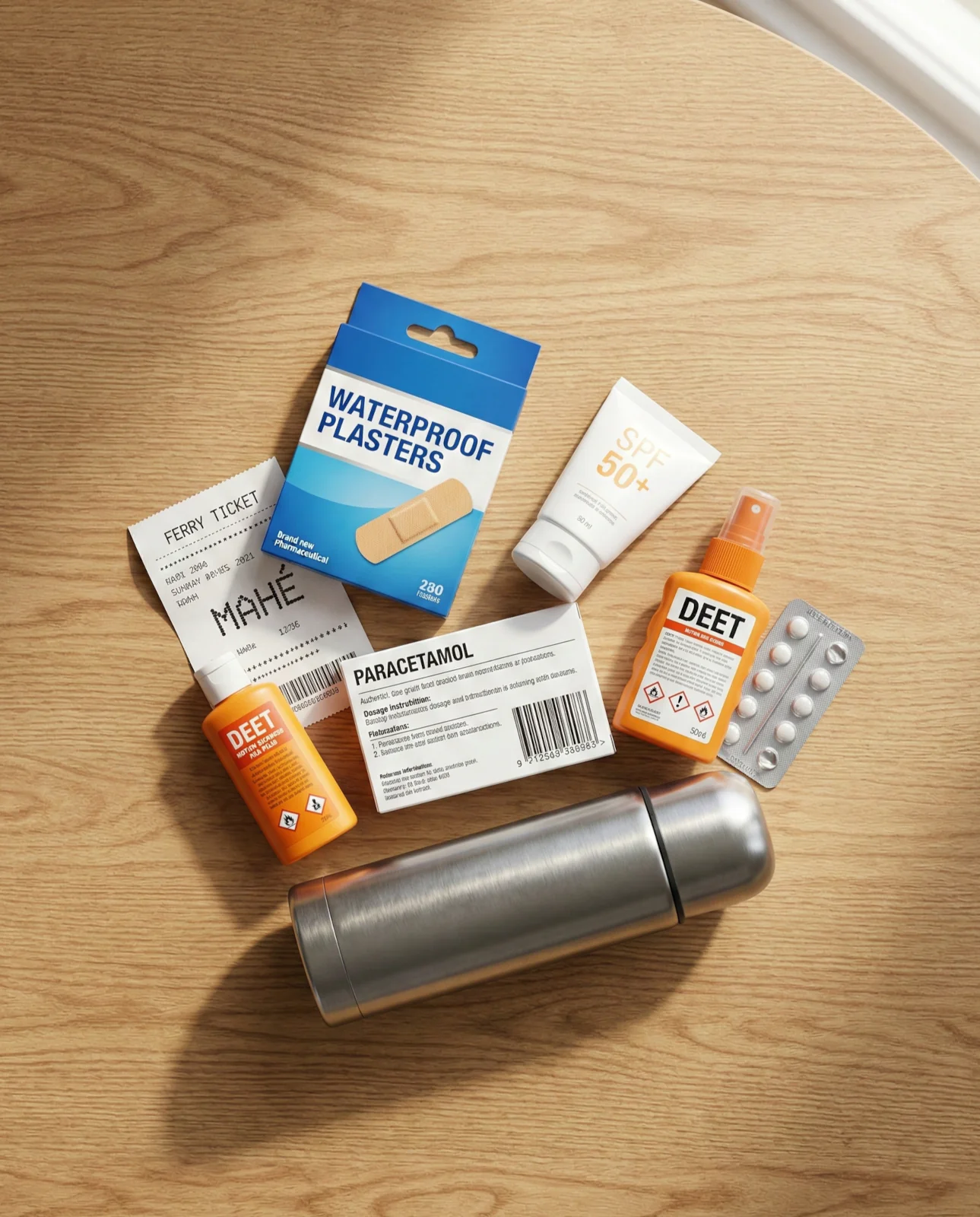
Traveling to a remote tropical archipelago requires a different mindset than a city break in Europe. You are hours away from a major hospital, and the local pharmacy might not stock what you need. Based on our own experiences on the islands—and extensive medical research we did after returning—here is the complete breakdown of what you actually need to survive the Seychelles.
1. The “Fever Trap” (Critical Warning)
With the current risk of viral infections like Dengue, Chikungunya, and Zika, taking common painkillers like Ibuprofen, Aspirin, or Naproxen (NSAIDs) can be dangerous. These drugs thin the blood and can increase bleeding risks associated with these viruses.
The Fix: We completely swapped our kit to Paracetamol (Acetaminophen). It is the safest option to manage sudden fever or pain until you can get professional help.
2. Surviving the “Vomit Comet” (Ferry Strategy)
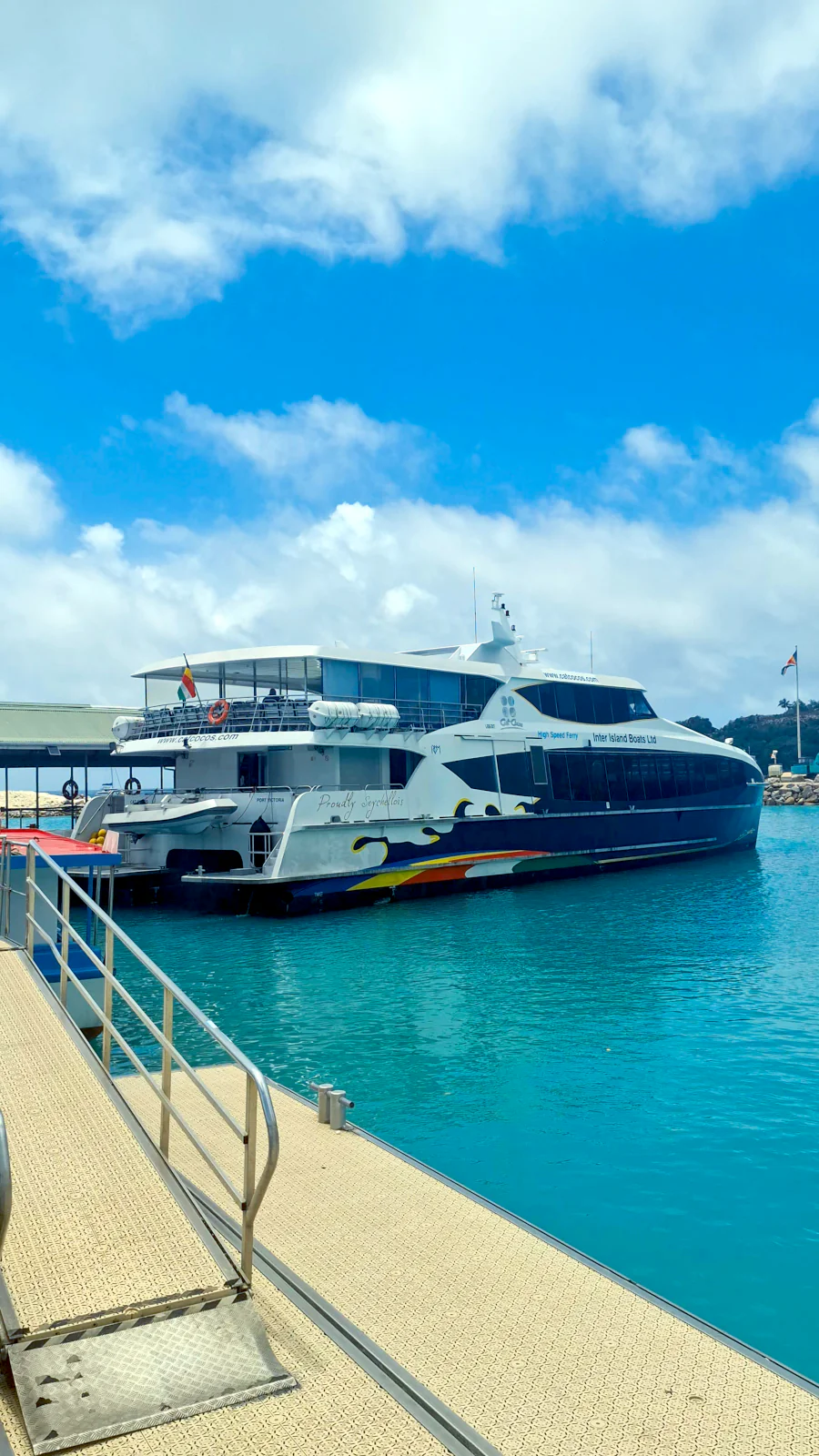
To get between Mahé, Praslin, and La Digue, you will likely take the Cat Cocos high-speed ferry (approx. €60 one-way). The crossing is famously rough. Many blogs tell you to “sit downstairs at the back” to avoid seasickness.
From our experience, this is terrible advice. Downstairs, the air conditioning struggles, the cabin becomes incredibly stuffy, and the smell of seasick passengers makes it unbearable.
The Fix: We took strong motion sickness medication (like Dimenhydrinate) 30 minutes before boarding and went straight to the top deck. Yes, you might get a little wet from the sea spray, but breathing fresh ocean air and keeping your eyes on the horizon is the only reliable way to survive the massive waves.
3. The Insect Shield (Mosquitoes & Sandflies)
Mosquitoes here bite during the day and carry viruses. But the invisible enemy is the “Sandfly” on the beach—their bites are incredibly itchy and can ruin your sleep.
The Fix: Natural oils won’t cut it. You need a strong repellent with DEET (30–50%) or Picaridin (also known as Icaridin).
Crucial Tip: Pack a tube of Hydrocortisone cream. If you get bitten by sandflies, this is the only thing that stops the itch and prevents infection.
4. The Hack We Wish We Knew: The Thermos
The shallow waters hide Stonefish and Stingrays. Their venom causes excruciating pain but is “heat-labile” (breaks down under heat).
The Fix: Pack a good vacuum Thermos. If you are heading to a wild beach on Curieuse, fill it with hot water (approx. 45°C). If you get stung, soaking your foot in hot water is the only immediate way to neutralize the toxin and stop the agony.
5. The “Wet Wound” Problem
In the extreme humidity, small cuts simply do not heal. They stay wet and get infected quickly. Standard plasters peel off in minutes.
The Fix: Pack hydrocolloid patches (blister pads). They seal the wound completely. Also, use a good antiseptic spray (like Octenisept) to disinfect coral cuts effectively.
6. The Stomach Defender
Even with high hygiene standards, the exotic tropical flora can shock your system.
The Fix: Start taking probiotics a week before your trip. Pack electrolytes (powder form) because dehydration hits fast in the humidity. Also, bring Loperamide for emergencies—having it in the backpack gave us huge peace of mind on long hiking days.
7. Crossing Borders with Meds
Since you are flying with a well-stocked kit, border security can be strict.
The Rules: Never carry loose pills in a bag; keep everything in original boxes. If you carry strong prescription medication or injectables (like an EpiPen), you must have a copy of the prescription or a doctor’s note in English. We always keep these documents digital and printed.
4. Why Standard Travel Insurance in Seychelles Isn't Enough
The Seychelles are beautifully isolated, located around 1,500 kilometers off the coast of East Africa. This isolation means that if things go wrong, the logistics are incredibly complex and shockingly expensive.
The Credit Card Trap:
Standard travel insurance attached to a premium European credit card usually caps medical expenses at around €30,000 to €50,000. In a remote location, this is simply not enough.
Real-Life Scenario:
The jungle trails like Morne Blanc become incredibly slippery after tropical rain. If you twist an ankle deep in the jungle or get swept out by a rip current at Anse Intendance, a localized Search and Rescue (SAR) helicopter operation can easily cost between €5,000 and €10,000.
If you require surgery that the small local hospital in Victoria cannot provide, a medical repatriation flight (air ambulance) back to Central Europe can exceed €100,000. Add in the costs of an unplanned hotel stay for your partner while you recover, and a basic policy will leave you bankrupt.
Our Tip: Do not buy the cheapest option. Look for a premium policy that explicitly covers:
Search and Rescue (SAR) costs (often excluded in basic plans).
Medical Repatriation to your home country (without low sub-limits).
High-Risk Activities like mountain trekking and open-water snorkeling.
5. The Best Time to Visit Seychelles in 2026 (Month by Month)
To plan a smart trip, you must understand that the “best time to visit the Seychelles” depends entirely on your activities. The weather here is governed by two main factors: the Trade Winds and the wet/dry seasons.
The Seasons & Best Activities:
November to March (North-West Winds): This is the warmer, more humid rainy season. Expect heavy, warm tropical downpours, but they are usually short-lived. During this time, the ocean is generally calmer and clearer, making it the absolute best time for scuba diving and snorkeling.
May to September (South-East Winds): The dry season. It is slightly cooler (around 26°C), much breezier, and less humid. The ocean gets rougher—which is ideal for sailing and windsurfing—and the cooler air makes it the perfect time for demanding jungle treks.
April and October (The Transition Months): These are the ultimate “weather windows.” The winds drop, the ocean is flat like glass, and underwater visibility is unbelievable.
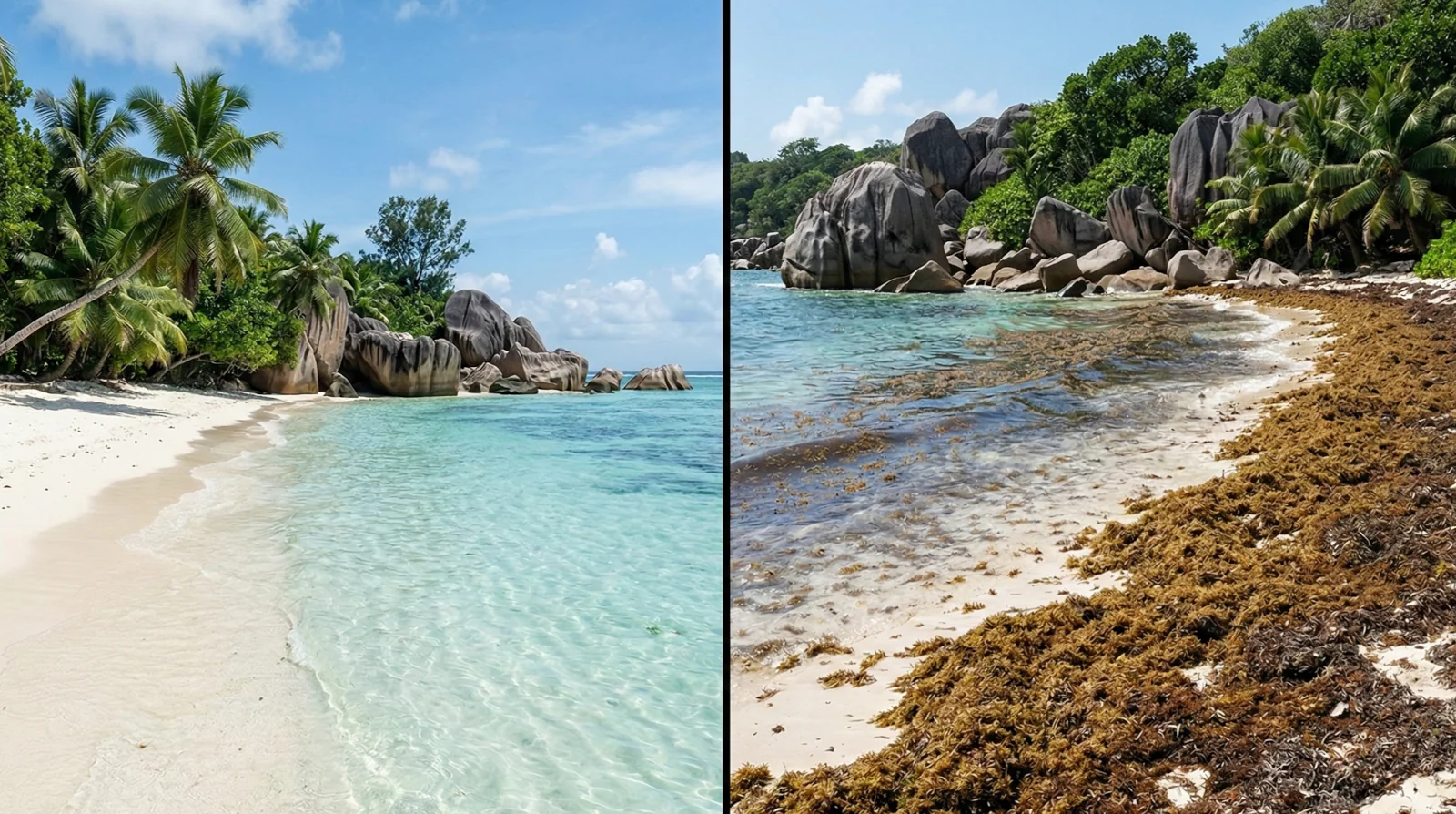
The Trade Winds (The Seaweed Problem):
The winds also determine where the ocean currents push massive amounts of natural seagrass (seaweed) onto the beaches.
May to October: Seaweed washes up on the southern and eastern beaches (like Grand Anse on Praslin).
November to April: The winds shift, bringing seaweed to the northern and western shores (like Cote D’Or).
The “Smart Hack” for Booking Accommodation:
If you want to step out of your bed directly onto a pristine, seaweed-free beach, you must align your hotel location with the wind calendar. However, if you are renting a car and exploring daily, booking a guesthouse on the “seaweed side” is a brilliant strategy.
Why? Because it is significantly less crowded. You will enjoy quiet roads, empty local restaurants, and a deeply relaxed vibe. You can use this as a cheap, peaceful basecamp, and simply drive 15 minutes across the island to the clean beaches for your daily swim.
Section II: On-Ground Logistics (Internet, Money & Transport)
6. Seychelles Tourist eSIM: How to Skip Airport Queues
Most tourists land at Mahé International Airport, get through immigration, and immediately stand in a long, chaotic queue at the Cable & Wireless or Airtel kiosks to buy a local tourist SIM. You do not need to do this.
There is a much smarter way for modern travelers. When filling out your mandatory ETA application online (see Point 1), the government system offers you the option to pre-order a traditional SIM card or a digital eSIM data package. We chose this option and highly recommend it. The prices are often significantly better than the standard tourist packages sold at the airport.
If your phone supports a Seychelles eSIM, you can activate your data the moment your plane lands. If you prefer a physical card, you simply walk up to a dedicated collection counter, show your passport, and pick up your active SIM card—completely skipping the stress of comparing prices, negotiating, or waiting in the general line.
7. Money in Seychelles: Why VISA Wins Over Mastercard
If you rely on fintech cards like Revolut, Zen, or Wise to get the best exchange rates, check the logo on your physical card right now. Is it a Mastercard? If so, you might run into a serious logistical nightmare.
While major international resorts accept every card type, we found that many smaller guesthouses, family-run shops, and ferry terminals on Praslin and La Digue only accept VISA. The real stress, however, happens at the ATMs. During our trip, our Mastercard was repeatedly rejected by local machines, leaving us without cash until we used our backup Visa.
Our Tips:
Always travel with at least two different cards from two different banks. Ensure at least one of them is a VISA.
The Revolut Hack: If your physical card is a Mastercard, use your banking app to generate a Virtual VISA card on your phone. Most modern terminals in the Seychelles now accept Apple Pay and Google Pay, which can save you if your physical card fails.
8. 2026 Update: Seychelles Environmental Levy Abolished for Small Guesthouses
Even if you have paid for your accommodation in full via Airbnb or Booking.com, there is usually one final cost to settle upon arrival. However, there is excellent news for independent travelers: as of January 1, 2026, the Seychelles government has officially abolished the Tourism Environmental Sustainability Levy for all small accommodation establishments (1 to 24 rooms).
This is a massive win for those staying in local guesthouses, as you now pay 0 SCR in environmental taxes. If you prefer staying in larger hotels or resorts, the tax still applies and has been updated for 2026:
75 SCR per person/night for medium establishments (25-50 rooms).
100 SCR per person/night for large establishments (50+ rooms), yachts, and island resorts.
Exemptions: Children aged 12 and under, as well as residents, do not pay this levy.
The Cash-Only Rule:
Because this is a government tax collected locally by the provider, most establishments require you to pay this in cash (local Rupees/SCR). They rarely have card terminals set up to process the levy separately from your room booking.
Our Tip: Do not rely on your host having change for large Euro notes. As soon as you land, use your Visa card at an airport ATM to withdraw enough local Rupees to cover these tax payments for your entire stay. This is a small logistical detail that saves a lot of stress during check-in.
9. Island Transport: Flights, Ferries, and Public Buses
To get between the main islands, you have three primary choices: the sky, the sea, or the road. In 2026, choosing the right mix is the ultimate logistical hack for a stress-free trip.
The “Fly First” Strategy:
We strategically chose to fly for the first leg of our trip (Mahé to Praslin), and it was a brilliant move. The domestic terminal is just a short walk from the international arrivals hall. We landed in Mahé, walked a few meters, hopped on a small Air Seychelles Twin Otter plane, and 15 minutes later we were picking up our rental car at Praslin airport.
If we had taken the ferry immediately, we would have needed a taxi transfer across the island to the port, followed by a 60-minute rough boat ride. Flying saved us hours of fatigue and hassle.
The Ferry Reality (Cat Cocos):
We used the Cat Cocos ferry for the rest of our island hopping. We took the quick hop from Praslin to La Digue and later the long, direct crossing from La Digue back to Mahé.
Be prepared: the direct trip from La Digue to Mahé takes about 1.5 hours across open water. As we mentioned in Point 3, the Indian Ocean can be very rough on this specific route. Always check the schedule in advance, as ferry times can change with the seasons.
The 2026 Bus Hack: No More Cash!
If you aren’t renting a car on Mahé or Praslin, the public SPTC buses are an incredible deal—but there is a catch. As of 2026, buses no longer accept cash. You must use a Visitor Travel Card.
You can buy these cards at the airport or major bus depots. They come in several options:
100 SCR for 1 day of unlimited travel.
198 SCR for 4 days.
363 SCR for 8 days.
Individual rides cost 10 SCR if you top up the card.
Our Tips:
Book Flights Early: Air Seychelles prices for the 15-minute “scenic flight” are much cheaper if you book weeks in advance.
The Bus Card: Buy your Visitor Travel Card immediately at the airport arrivals hall so you aren’t stuck without a way to pay for your first ride.
Google Maps for Buses: Use Google Maps to track bus times on Mahé; it is surprisingly accurate for the island’s main routes.
10. Renting a Car in Seychelles: Left-Hand Driving & Narrow Roads
Renting a car is the absolute best way to explore Mahé and Praslin, but the roads are unforgiving. Unlike the wide highways you might be used to, Seychelles roads are narrow, winding, and often have no shoulders at all.
The Jungle and the Ocean:
On one side of the road, you often have deep, open concrete drainage ditches; on the other, a sheer drop onto jagged rocks or directly into the Indian Ocean. It is incredibly scenic, but one moment of distraction can end with your car in a ditch or in the water.
Left-Hand Traffic:
Traffic moves on the left side of the road. If this is your first time driving on the left, don’t worry—outside the busy center of Victoria on Mahé, the pace is very slow, and you will usually adapt within a few hours.
The “Upgrade” Trap:
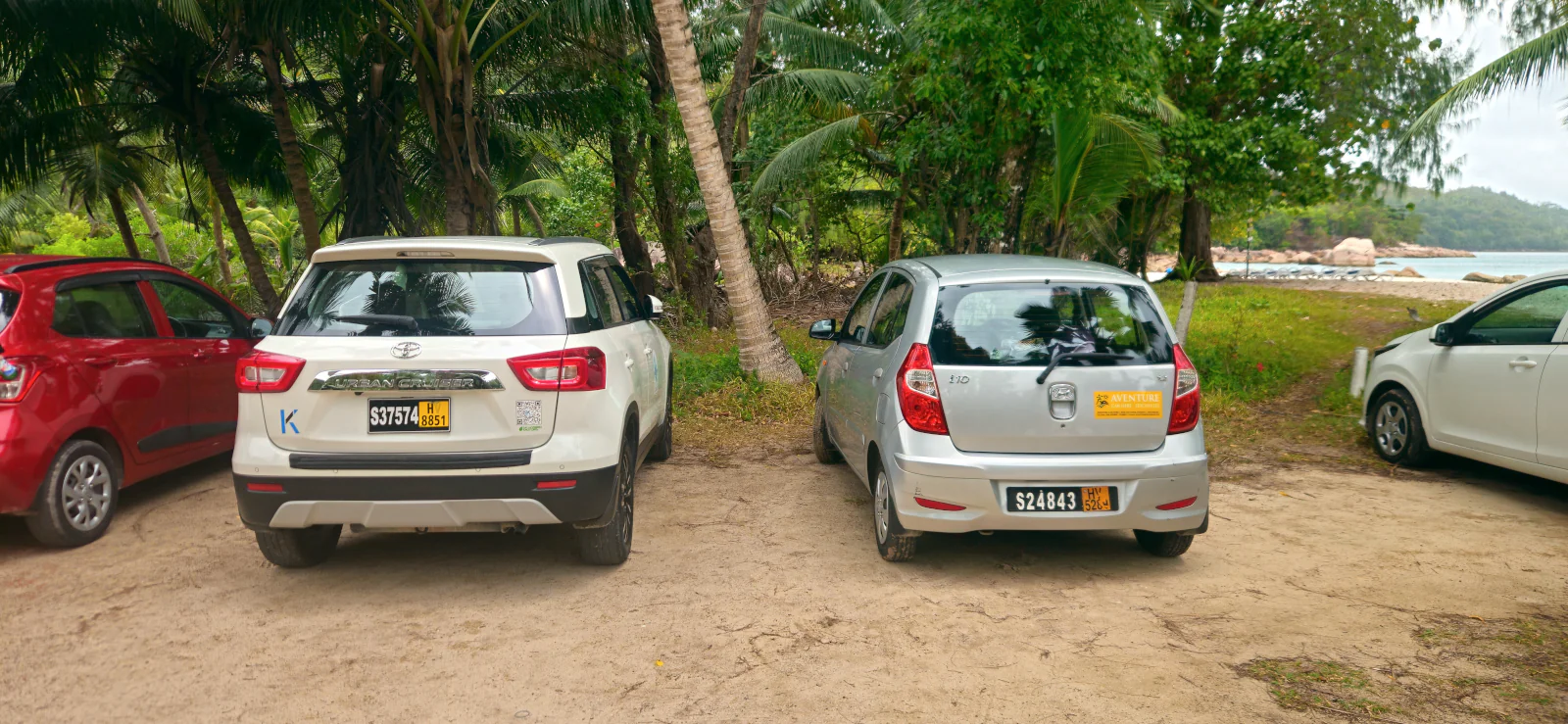
We originally booked a tiny Kia Picanto—the perfect car for these narrow routes. However, the rental company “upgraded” us to a massive Toyota Urban Cruiser. Driving a wide SUV on narrow jungle roads for our first time in left-hand traffic was an adrenaline sport! We managed just fine, but a smaller car is a true luxury here because it makes passing oncoming buses on cliff edges much easier.
Our Tips:
Refuse the Upgrade: If the rental company offers you a larger car, ask if they have a smaller model available. On Seychelles roads, small means less stress.
Automatic Transmission Only: Do not rent a manual car unless you are a professional. You will be stopping and starting on extremely steep hills constantly; an automatic is non-negotiable for “Comfort Travelers.”
Compact Parking: A small car like a Kia Picanto allows you to squeeze into tiny, unofficial parking spots near popular beaches where an SUV simply would not fit.
Section III: Survival & Culture (Sun, Food, and Rules)
11. UV Index & Reef-Safe Sunscreen Rules
This is where we made our biggest mistake. The Seychelles sit directly on the Equator, meaning the UV Index is often 11+ (Extreme), even on cloudy days. We learned this the hard way – because of the constant cooling ocean breeze, we didn’t feel the heat on our skin until it was far too late and we were severely sunburned.
The Reef-Safe Requirement:
In 2026, protecting the archipelago’s delicate coral reefs is more important than ever. Most local guides and eco-conscious shops now recommend using only Reef-Safe sunscreen. When shopping, look for mineral-based filters like Zinc Oxide or Titanium Dioxide. Avoid products containing Oxybenzone or Octinoxate, as these chemicals are legally restricted in many tropical destinations because they cause coral bleaching.
Our Tips:
Apply SPF 50+ every 2 hours, no exceptions – even if it is raining or completely overcast.
Wear a Rash Guard: If you plan on snorkeling for more than 15 minutes, do not rely on sunscreen alone. Wear a long-sleeve UV swim shirt (rash guard) to protect your back and shoulders from the intense equatorial sun.
Check the labels: Ensure your sunscreen is certified “Reef Safe” to help preserve the incredible underwater world you came to see.
12. Why Water Shoes Are Mandatory in Seychelles
The beaches in the Seychelles look like soft white powder, but don’t let that fool you into going barefoot everywhere. The underwater landscape is a mix of sharp dead coral, hidden granite rocks, and sea urchins hiding just beneath the surface.
The Stonefish Threat:
Beyond just cuts and scrapes, the Seychelles are home to the Stonefish. These are masterfully camouflaged fish that look exactly like rocks or pieces of reef. If you accidentally step on one, it can inject a powerful toxin that causes extreme pain. Wearing thick-soled water shoes is your best defense against both painful coral cuts and dangerous marine life.
Our Tip: Make water shoes a non-negotiable part of your Seychelles packing list. They are essential for safely exploring wilder, off-the-beaten-path beaches like Anse Cocos on La Digue or navigating the rocky entries of the Mahé marine parks.
13. Cheap Eats: The Creole Take-Away Strategy
If you dine at hotel restaurants every night, your budget will vanish instantly—main courses in tourist spots often cost between €30 and €50. However, the Seychelles are surprisingly affordable if you eat where the locals eat.
The Secret to Budget Dining:
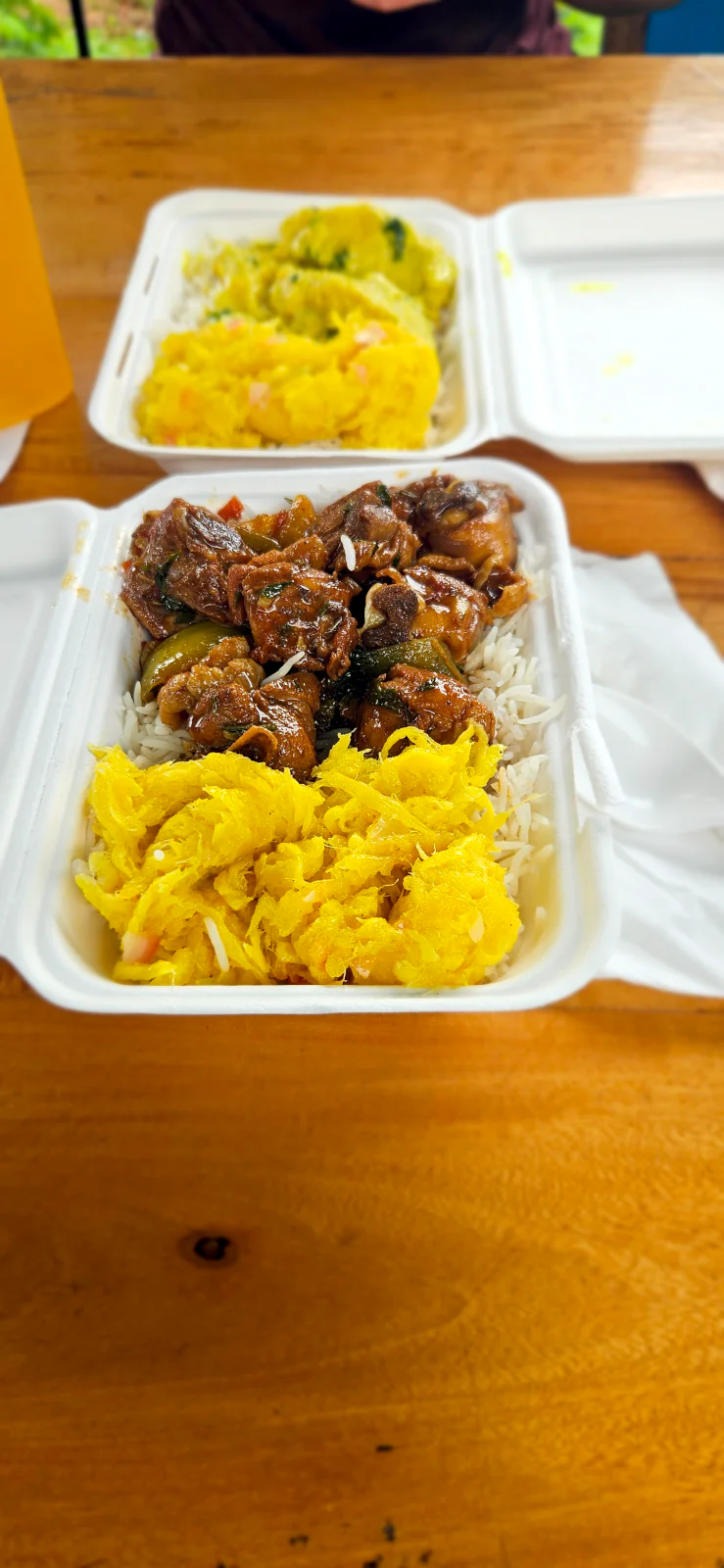
The ultimate “Smart Hack” is the Take-Away. These are small, local roadside stands or “food buses” (like the famous Leo’s Food Bus) selling fresh, home-cooked Creole meals packed in cardboard boxes. For just €5–10 (approx. 75–150 SCR), you can get a massive portion of grilled fish, Cajun chicken, or the island’s legendary Octopus Curry served with rice and papaya chutney. In many cases, the quality is superior to hotel food because it is prepared fresh every morning using traditional family recipes.
Our Tips:
The Sunday Rule: Remember that most Take-Aways are closed on Sundays as locals spend the day at church or with family on the beach. Have a backup plan, like a grocery run, for Sunday dinner.
Timing is Key: Popular spots often run out of the best dishes (like octopus) by 1:30 PM. For dinner, try to buy your meal by 5:00 PM before they close for the day.
Authentic Flavors: Look for places like Tica’s Take Away on Mahé or Glorious Bakery & Snacks on La Digue for some of the best local snacks and quick meals on the islands.
14. Drinking Water & Plastic Rules in Seychelles
The Seychelles take environmental protection very seriously, and as a traveler, you should too. The islands have implemented strict laws to preserve their fragile ecosystem, and ignoring them can lead to unexpected trouble at the border or during your stay.
The Plastic Bag Ban:
Plastic bags are strictly banned in the Seychelles. If you bring them in your luggage for packing or organization, customs officers can confiscate them immediately. Always travel with reusable fabric shopping bags for your groceries and souvenirs.
The Tap Water Situation:
Tap water on Mahé and Praslin is treated and technically safe to drink, but it is heavily chlorinated. While it won’t make you sick, the strong chemical taste makes it unpleasant for most travelers. To avoid the taste and save money, we never bought single-use plastic bottles.
Our Tips:
The 5-Liter Strategy: To reduce plastic waste and save money, buy large 5-liter water jugs at the supermarket and refill your smaller reusable bottles every morning.
Reusable Bags: Pack two foldable, lightweight fabric bags in your daypack. They take up no space and are vital for carrying your grocery hauls from the local shops.
15. Seychelles Power Plugs and Travel Adapters
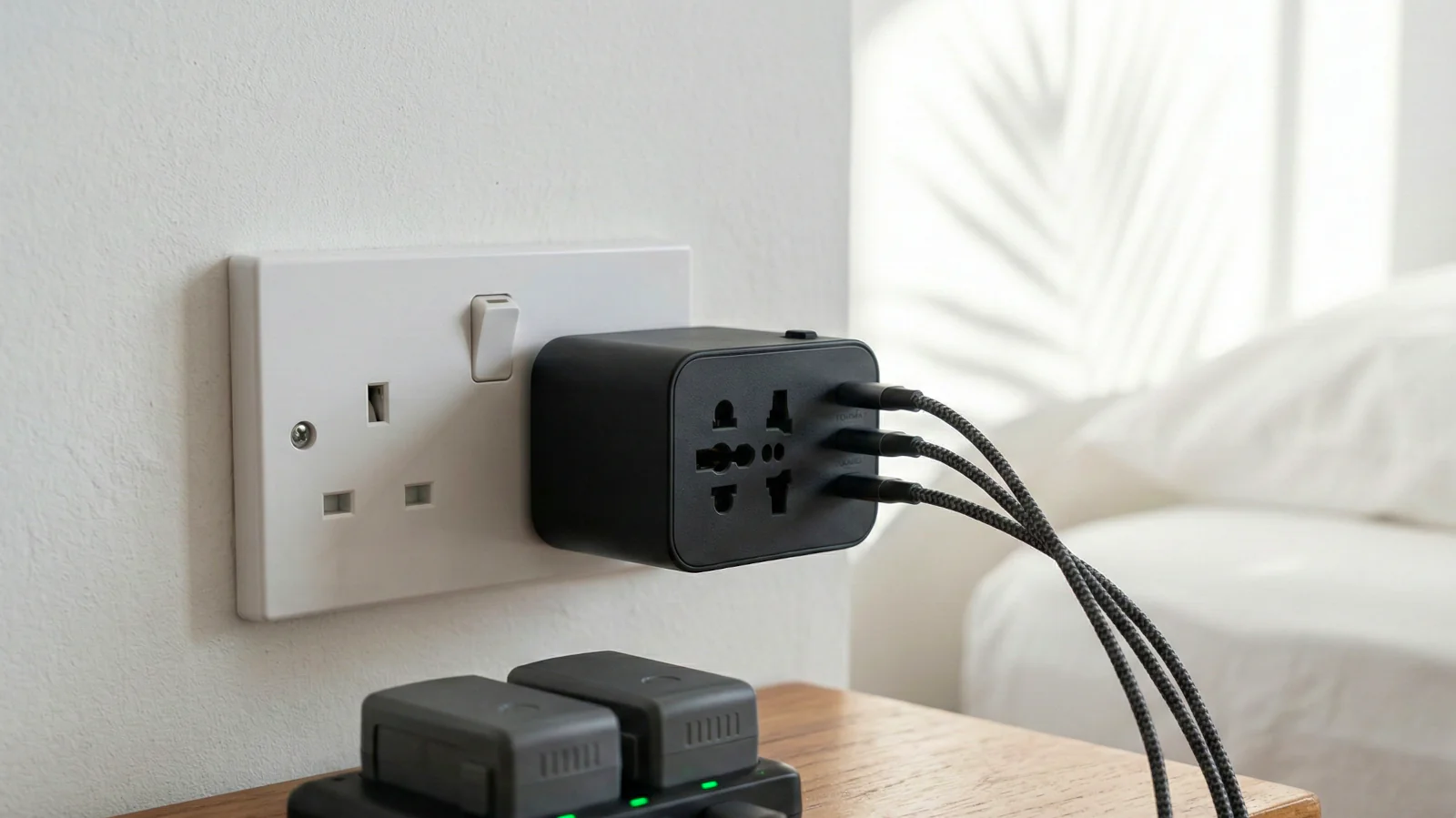
Despite the tropical setting, the electrical infrastructure in the Seychelles is based on the British system. The power sockets are Type G (three rectangular pins, exactly like in the UK). The standard voltage is 240V, and the frequency is 50Hz.
If you are traveling from mainland Europe or the US, your standard plugs will not fit. Since modern “Comfort Adventurers” travel with a lot of gear—drones, cameras, smartphones, and power banks—managing your charging setup is a vital part of your daily logistics.
Our Tip: Bring a high-quality universal travel adapter that features multiple USB-A and USB-C ports. This allows you to charge all your tech devices at once using a single wall socket, which is especially helpful in older guesthouses that may only have one or two available outlets in the room.
Plan Your Next Adventure: Explore our Atlas
If you found these tips helpful, you’ll find even more detailed itineraries in our dedicated destination hubs.
Check out all our [Seychelles Guides] for day-by-day plans, or browse our full [Destinations Catalog] to find your next unforgettable road trip. Looking for a similar tropical vibe? You might also love our [9-Day Madeira Itinerary].