
Travel Smarter: Don't waste your money - learn the rules, categories, and gear hacks before you take off.
Thinking about buying your first drone guide but feeling overwhelmed by regulations? Drone photography has changed the way we see the world. From the white cliffs of Cyprus to the lush mountains of Madeira, having a “flying camera” allows you to capture perspectives that were impossible a few years ago. However, a drone is not just a toy – it is an aircraft.
Before you spend your hard-earned money on a new DJI Mini 5 PRO or any other model, there are critical things you need to understand to fly safely and legally. Here is our 8-point checklist for every future drone pilot.
Your Pre-Flight Essentials: What to Know Before You Buy
Important Note on Regulations:
The rules mentioned in this guide, such as the C0/C1 categories and A1/A3 operations, are specific to the European Union (EU). While many countries are adopting similar standards, drone laws can vary significantly outside Europe. Always check the local regulations of your destination country before you fly.
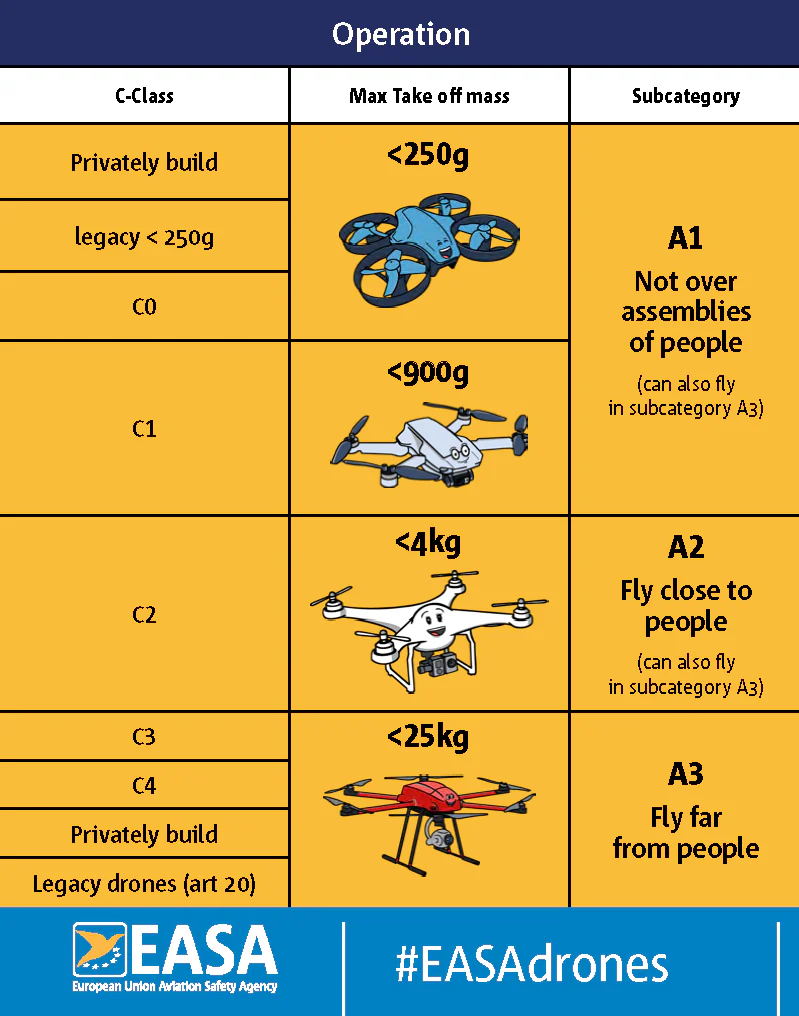
1. Understand Drone Categories (C0, C1, A1, A3)
The most important thing is the weight of your drone. In Europe, drones are divided into classes. For example, a drone under 249g (like the DJI Mini series) usually falls into the C0 class. Knowing your class determines where you can fly and how close you can get to people.
Our Tip: Stick to a drone under 249g (C0 class) if you travel a lot, as it has the fewest legal restrictions globally.
2. Know the Legal Limits (Height and Distance)
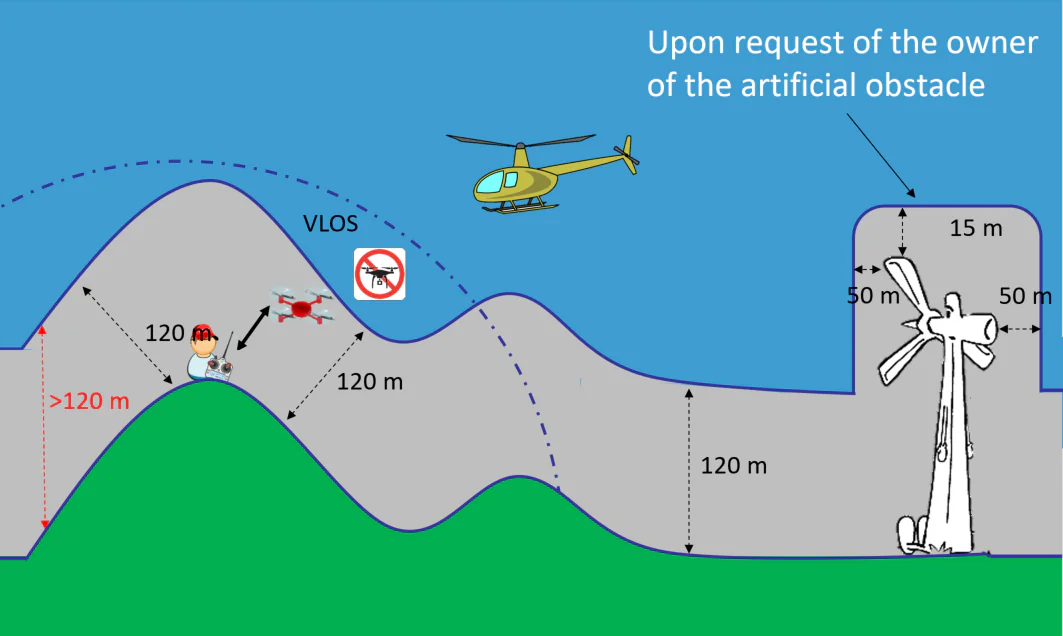
You cannot fly as high as you want. In most countries, the legal altitude limit is 120 meters (approx. 400 feet) above the ground. You must also keep the drone within your Visual Line of Sight (VLOS) – meaning you must be able to see it with your own eyes at all times.
3. Identify Your Flying Zones
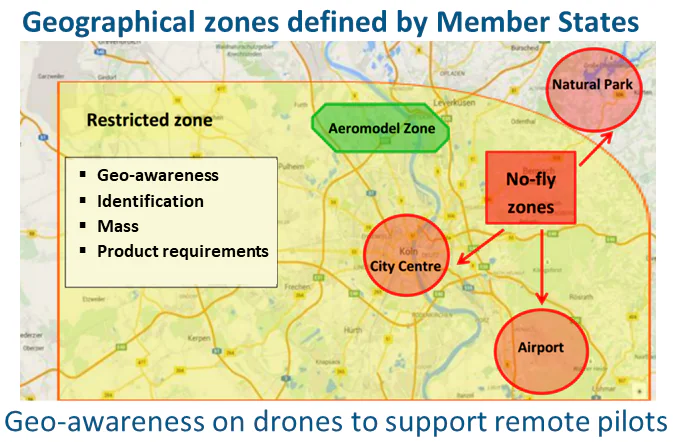
Before you take off, check the geographical zones. Some areas are Open (free to fly), some are Restricted (require digital approval), and some are Forbidden (near airports, military bases, or national parks).
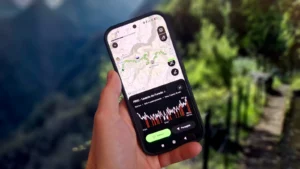
Our Tip: Download a local drone map app for every country you visit to see exactly where you can and cannot fly in real-time.
4. Register as an Operator
In 2026, most countries require you to register as a Drone Operator. Once you receive your unique Operator ID, you must physically mark your drone with this number using a sticker or a permanent marker. This ensures you are recognized as a legal pilot.
5. Be Aware of the Penalties
Flying without permissions is not worth the risk. Penalties for flying in forbidden zones or without registration can be severe. This includes heavy fines, the seizure of your equipment, or even legal trouble in serious cases.
6. Choose Your Style: FPV vs. Cinematic
Decide on the footage you want. FPV (First Person View) is for fast, acrobatic, and immersive flying. Cinematic drones (like the DJI Mini series) are for smooth, stable, and high-quality landscape photography.
7. Pick Your Format: Horizontal vs. Vertical
If you mostly post on TikTok or Instagram, look for a drone with True Vertical Shooting. This allows the camera to rotate physically, giving you full-quality vertical video without cropping.
- Our Tip: Choose a drone like the DJI Mini 5 PRO if you are a social media creator, as it lets you switch between vertical and horizontal formats instantly.
8. Solo Package vs. Fly More Combo
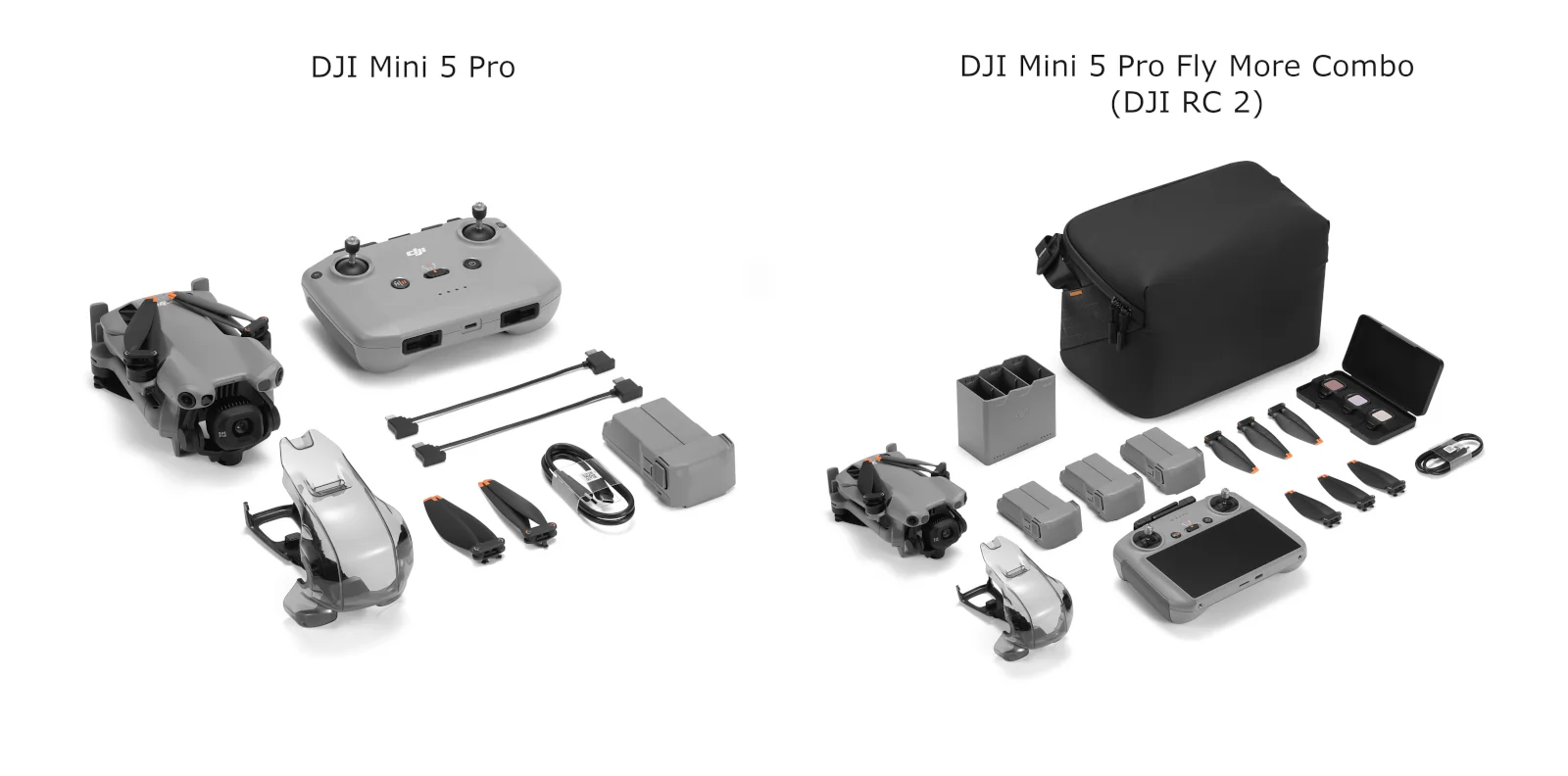
A “Solo” package includes the drone and one battery. The “Fly More Combo” adds two extra batteries, a charging hub, and a carrying bag.
- Our Tips:
- Always buy the Fly More Combo; one battery only gives you about 25 minutes of flight, which is never enough.
- Remember to always carry drone batteries in your carry-on luggage, never in checked bags, due to airline safety rules.
Smart Logistics for Drone Pilots:
- Local Laws: Some countries have total bans on drones (e.g., Egypt or Morocco). Always check the specific laws of your destination before packing your drone.
Weather Conditions: Wind is your biggest enemy. High-altitude gusts can be much stronger than what you feel on the ground.
Privacy: Respect the privacy of others. Avoid hovering over private property or crowded beaches without reason.
Insurance (OC): Even if not mandatory for light drones in some countries, we strongly recommend getting third-party liability insurance (OC). In many places (like Germany or Italy), it is a legal requirement for every flight. It is usually very affordable and protects you from huge costs if you accidentally hit something or someone.
DJI Care Refresh: When buying your drone, consider the DJI Care Refresh plan. It’s like a “crash insurance” provided by the manufacturer – if you crash your drone, they will replace it for a small fee. For beginners, this is the best way to fly without stress.
Plan Your Next Adventure: Explore our Atlas
If you want to see our drone footage in action, you’ll find plenty of inspiration in our dedicated destination hubs.
Check out our full [Destinations Catalog] to find the best spots to fly, or browse our [Practical Travel Tips] for more gear and logistics advice. For official European regulations and the latest safety updates, check the [EASA Drone Rules] portal.